Apple Podcasts | Spotify | Pandora
Have you ever thought about starting a podcast but then talked yourself out of it because it felt too overwhelming, too technical, or you worried no one would listen?
You’re not alone, and today’s guest is proof that you don’t have to have it all figured out to launch something truly powerful.
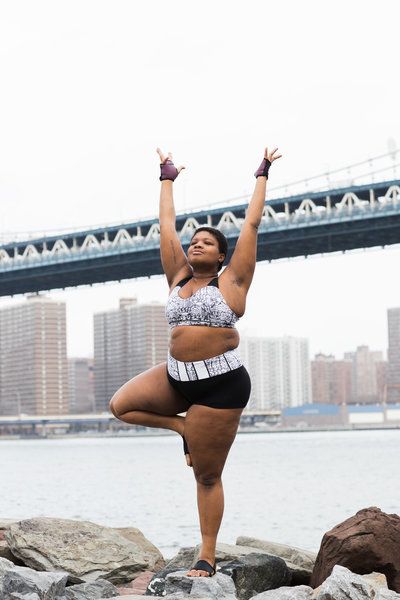
Stacy Smith is a full-time teacher, a mom, and a graduate of The Podcast Lab. She’s also the host of The Biking Wellness Podcast and today, she’s asking ME the questions that have come up after launching her show!
She asks me things like: How do I grow my show with limited time? How do I stay aligned with my values while still marketing what sells? How do I know if my podcast is working when the numbers feel slow?
If you’re wondering whether starting a podcast is worth it—or how to actually keep one going when you have a full plate—this conversation is for you.
Marketing What You Know Helps Without Feeling Sleazy
Stacy opened up about how deeply personal her work is. Her mission is to help women lose weight for the last time, but in a way that is rooted in self-love and strength rather than shame.
She knows that what women really want isn’t just the number on the scale to change; they want to feel good in their bodies. They want to believe in what they are capable of.
But marketing that kind of transformation can feel tricky. Stacy asked how to promote her podcast and business without sounding gimmicky or disingenuous.
I shared a simple but powerful concept I learned early on in my own journey. In marketing, there are two main styles:
- Painting the picture of possibility: helping people imagine what life could look like after the transformation.
- Highlighting the pain they’re currently in: what they’re struggling with now and why something needs to change.
Some people are motivated by where they want to go. Others are more driven by what they want to get away from. The truth is, both approaches work, and both can be woven into your messaging.
I encouraged Stacy to experiment with both types of podcast episode titles and content and to pay attention to which ones connect most deeply with her listeners.
When you’re offering real transformation, it’s not sleazy to sell. You’re opening a door for people who are ready for change. The key is speaking to them in the language they understand, which often means meeting them exactly where they are.
Starting a Podcast in 2025: What Actually Matters
Stacy asked a question I hear all the time: If I were launching a podcast today, where would I start? What’s changed since I launched Goal Digger, and what’s still true?
First, I shared that while there may be more podcasts now than there were a few years ago, there are also more listeners. Podcasting is still growing in a way that few other platforms are. That means there is space for new voices, especially those who are clear on who they serve.
Clarity is the most important place to begin. Know who you’re talking to and what promise you’re making to them. If your show is for everyone, it will resonate with no one. Niche shows with specific transformation promises are far more likely to grow. Stacy’s show, for example, focuses on biking and wellness. It’s specific, and that’s a strength, not a limitation.
Next, I emphasized that audio quality matters more than it ever has. While you don’t need a studio setup or expensive equipment, you do need clean, listenable audio. A basic microphone and a quiet space go a long way. I used to record episodes from my closet with an old pair of earbuds. Today, with podcast listeners expecting more polished content, better audio can make the difference between someone sticking around or skipping your show.
Finally, I reminded Stacy that consistency is everything. It’s not about how often you publish, but about sticking to a schedule people can count on. You don’t need to do multiple episodes a week. One solid episode every week, consistently delivered, can build incredible trust over time.
Managing Content When You Don’t Have a Team
This part of our conversation was deeply relatable. Stacy shared that while she’s been able to record and edit her episodes efficiently, everything else—from writing show notes to updating her website—has started to fall by the wayside. She asked how to stay on top of everything when you’re doing it solo and have very limited time.
I shared one of my favorite time-saving strategies: using AI tools as your assistant. If you’re able to export your podcast transcript, you can drop it into a tool like ChatGPT and give it clear instructions to generate show notes, episode titles, descriptions, or even social media captions.
It might not be perfect, but when you’re short on time, done is better than perfect. You can always refine it later.
Another thing I emphasized is working in batches. If you’re already in the zone recording an episode, build time into your workflow right after that to write or finalize the other assets you’ll need for promotion.
That way, the energy of the episode is still fresh and you can stay focused instead of trying to circle back to it days or weeks later.
And remember, it’s okay if not everything is perfect. Your website might still have some outdated copy. Your blog might not be updated every week. That’s not failure, it’s reality. What matters most is showing up consistently in the way you promised your audience you would!
Growing Your Audience as a Niche Creator
One of the biggest struggles Stacy voiced was figuring out how to get more people to discover her show. She knows she’s serving a very specific audience, and while her podcast is growing, it’s been a slow process. She asked how to find her people and expand her reach in a meaningful way.
First, I encouraged her to think about how people are searching for content today. Podcast platforms like Apple and Spotify work like search engines, so titling your episodes and writing your descriptions with keywords in mind is a smart strategy.
Think about the phrases your ideal listener might be typing in, things like “how to enjoy exercise again” or “fitness without diet culture”, and use that language in your content.
Then, I recommended that she pitch herself to other podcasts as a guest. This is one of the best ways to grow your own audience, especially when you’re just getting started. Most podcast listeners tune in to multiple shows, so if they hear you on a show they already trust, there’s a good chance they’ll come check out yours too.
Another thing to consider is how you encourage sharing. Sometimes a simple prompt within your episode can make all the difference. For example, you might say, “If this episode made you think of someone who’s been struggling with this too, send it their way.” A small nudge like that can help your listeners become your best marketers.
It’s also helpful to be thoughtful about your guests. If you bring someone on your show, make sure they’re willing to share the episode with their own audience. You don’t need big-name guests. You need aligned collaborators who want to help spread the message.
Should You Add Video to Your Podcast?
Stacy brought up something I’ve been asked more and more lately: with all the noise around video podcasting and YouTube, should she add video into her process?
My answer was pretty straightforward. Yes, YouTube can be a powerful tool for growth. But if adding video makes you dread recording, delays your publishing schedule, or adds stress to your already full plate, it’s not worth it.
YouTube is its own platform with its own rules, best practices, and expectations. And while it might be great for discoverability, the heart of podcasting, for many of us, is in the audio.
If you feel confident on camera and enjoy being visible, go for it! But if recording video takes away the magic of why you started podcasting in the first place, protect that original vision.
One middle ground I recommend is to turn your camera on during interviews even if you’re not planning to publish the video.
It helps build a better connection with your guest and gives you content you can repurpose later, like short clips for Instagram or your website. But don’t let video become the barrier that keeps you from showing up.
Ready To Start Your Own Show?
This conversation with Stacy was so powerful because it reminded me of something important: You don’t need to wait until your life slows down or you have more time to start building something meaningful. You can begin with what you have right now!
What stood out to me the most is the identity shift that happens when you commit to something and keep showing up for it. Stacy has become the kind of person who delivers every week. That alone is a massive transformation. When you start to believe in your ability to stay consistent, even when life is full, everything changes.
So if you’re holding back on a dream because you feel too busy or overwhelmed, let this be your reminder. You can build something beautiful, even when your calendar is already full!
And if that something is a podcast, I would love to help you get it off the ground!
And be sure to connect with Stacy on Instagram and listen to The Biking Wellness Podcast, too!
Thank you to our Goal Digger Sponsors
- Sign up for your $1/month Shopify trial period!
- Find an Airbnb co-host today.
- Check out What Should I Do With My Money? from Morgan Stanley. Click here to listen now!
- Shop SKIMS Fits Everybody collection here!
- Create your sanctuary of comfort with Boll & Branch. Get 20% off your first sheet set plus free shipping here!
- Experience the power of a Dell PC with Intel Inside®, backed by Dell’s price match guarantee. Click here to shop now.
- Click here to apply online in 10 minutes. Mercury is a financial technology company, not a bank. Banking services provided through Choice Financial Group, Column N.A., and Evolve Bank & Trust; Members FDIC.